
The Psychology of Space: How Where You Live Shapes How You Think, Work, and Rest
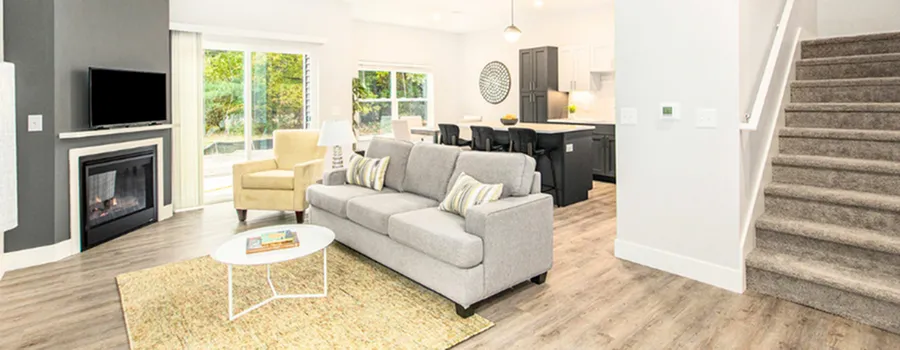
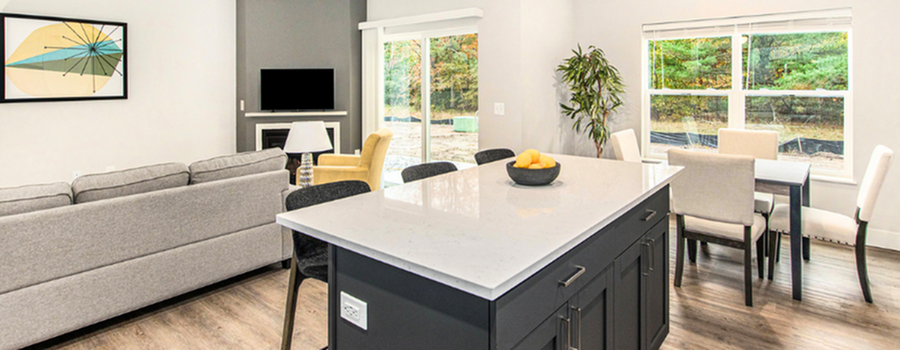
Your living environment directly influences your focus, stress levels, and daily habits. Elements like natural light, layout, and outdoor access affect cognitive function and emotional well-being. Choosing a home that supports these needs, with dedicated spaces for work, rest, and connection, can lead to a calmer, more intentional lifestyle. Have you ever noticed how a cluttered room seems to cloud your thinking, while a tidy, sunlit space helps you breathe a little easier? That's not a coincidence. Environmental psychology, the study of how physical spaces affect human behavior, shows that our surroundings shape far more than aesthetics. They influence how well we concentrate, how deeply we rest, and how connected we feel to the people around us. For anyone searching for a new place to live, understanding this connection can transform the way you approach house hunting. Instead of focusing solely on square footage or price, it's worth asking: Does this space support the life I want to live? How does your home environment affect focus and productivity? Cognitive performance depends heavily on environmental cues. Cluttered or poorly lit spaces demand more mental energy just to filter out distractions, leaving less capacity for deep focus. A 2011 study published in the Journal of Neuroscience found that visual clutter competes for attention in the brain, making it harder to process information efficiently. Natural light plays an equally important role. Exposure to daylight helps regulate circadian rhythms, which in turn supports alertness during the day and better sleep at night. Homes with large windows, open layouts, and access to outdoor views tend to foster sharper concentration and a more positive mood throughout the day. For remote workers or anyone who spends time managing tasks from home, having a dedicated, well-lit workspace, separate from areas meant for relaxation, can make a measurable difference in productivity. Choose a home with a flexible layout if your work requires quiet, focused time, since a defined boundary between "work mode" and "rest mode" reduces mental fatigue. Why does clutter and layout influence stress levels? Disorganized environments have been linked to elevated cortisol levels, the hormone associated with stress. When a space feels chaotic, the brain interprets it as an unfinished task, creating a subtle but persistent sense of unease. Layout matters just as much as tidiness. Homes with clear zones, a place to cook, a place to unwind, a place to gather, help the brain associate specific areas with specific activities. This kind of spatial organization, sometimes called "activity-based zoning," can make daily routines feel more intuitive and less overwhelming. Thoughtfully designed townhomes with distinct living, dining, and private areas naturally support this kind of zoning. Rather than forcing every activity into a single multipurpose room, a layout that separates spaces allows your mind to transition smoothly between tasks and rest. Can access to nature and outdoor space improve well-being? Yes! Numerous studies point to a strong link between exposure to green space and reduced stress, improved mood, and even better cardiovascular health. A well-known study from the University of Michigan found that even brief walks in nature can improve memory and attention span by as much as 20%! This is one reason why private patios, walking paths, and nearby green spaces are more than pleasant amenities. They provide accessible opportunities to step outside, reset mentally, and return to daily responsibilities with a clearer mind. For pet owners, a dog park adds another layer of benefit, encouraging regular outdoor time and social interaction with neighbors. Living somewhere that blends indoor comfort with easy outdoor access, like a home with a private patio steps from a walking trail, makes it far easier to build these restorative habits into everyday life, rather than treating them as occasional getaways. What role does community play in shaping how we feel at home? Space isn't just physical. It's also social. Feeling connected to a community has a measurable effect on emotional health. According to research from Harvard's Study of Adult Development, one of the longest-running studies on happiness, strong social connections are among the most reliable predictors of long-term well-being. Shared spaces, including walking paths, green areas, or simply a neighborhood designed for casual interaction, create natural opportunities for connection. When a home's layout and surrounding environment make it easy to encounter neighbors, chat outdoors, or gather in shared spaces, residents often report a stronger sense of belonging. This is part of why community-oriented living has grown in appeal. It's not just about the individual home, but about how that home fits into a larger, supportive environment. How can you choose a living space that supports focus, rest, and connection? If you're evaluating a new home with these psychological factors in mind, consider the following: Prioritize natural light. Homes with larger windows and open sightlines tend to support better mood regulation and alertness. Look for zoned layouts. Separate spaces for work, rest, and gathering reduce mental clutter and support smoother daily transitions. Seek outdoor access. A private patio or nearby walking path makes it easier to incorporate restorative outdoor time into your routine. Consider the surrounding community. Shared amenities like green spaces or a dog park can foster the kind of casual social connection that supports long-term well-being. Choose a layout with a dedicated home office if your work requires sustained focus. Choose a townhome with a private patio and nearby trails if daily outdoor time matters most to you. The right choice depends on which psychological need matters most for your lifestyle. Designing a life, not just a living space The space you call home does more than shelter you. It shapes how clearly you think, how deeply you rest, and how connected you feel to the world around you. Recognizing this connection can turn the search for a new home into something more intentional: a search for a space that actively supports the life you want to build. Communities like The Summit at Harvey Townhomes are designed with these principles in mind, offering thoughtfully laid-out townhomes, private patios, and access to green spaces and walking paths that make it easier to find balance every day. Because a well-designed space doesn't just house a life. It helps that life flourish.
Read more