

Intentional renting is a growing lifestyle choice, not a financial compromise. More people are choosing to rent because it offers greater flexibility, lower maintenance burdens, and the freedom to design a life that moves with them. This shift is reshaping how we think about home, stability, and success.
There was a time when renting was treated as a stepping stone, something you did until you could afford to buy. That narrative is shifting. Across age groups and income levels, a growing number of people are choosing to rent not because they have to, but because it genuinely suits the life they want to live.
This isn't a trend born of necessity. It's a deliberate, values-driven choice, one rooted in flexibility, freedom, and a redefined sense of what "home" actually means. The intentional renter isn't waiting for something better. They've already decided that what they have works beautifully for them right now.
So what's behind this cultural shift? And what does intentional renting actually look like in practice?
What Does "Intentional Renting" Actually Mean?
Intentional renting describes a mindset: The conscious decision to rent as a lifestyle preference rather than a default or a detour. Intentional renters weigh their options, homeownership included, and choose renting because it aligns with their priorities.
This contrasts sharply with the traditional narrative, which frames renting as something you settle for. The intentional renter rejects that framing entirely. For them, renting offers something ownership often can't: agility.
Why Flexibility Has Become the New Status Symbol
Homeownership was long considered the ultimate marker of stability and success. But stability, for many people, now looks different. Remote work has untethered careers from geography. Changing relationships, evolving family dynamics, and a growing appetite for new experiences have made the ability to move, quickly and without significant financial consequence, genuinely valuable.
Buying a home locks in a location for years. Selling involves time, transaction costs, and market risk. For someone who values the option to relocate for an exciting career opportunity, to be closer to aging parents, or simply to experience a different city, that lock-in carries a real cost.
Renting, by contrast, offers a built-in reset button. Leases end. Options remain open. Life can evolve without requiring a financial restructure to keep pace.
The Financial Case for Choosing to Rent
The rent-versus-buy debate is rarely as clear-cut as popular wisdom suggests. Homeownership builds equity over time, but it also comes with property taxes, maintenance costs, insurance, HOA fees, and the unpredictable expense of repairs. A leaky roof, a failing HVAC system, or a flooded basement can erase months of equity gains in a single weekend.
Renters, on the other hand, have predictable monthly costs and zero responsibility for maintenance. That financial clarity allows for more intentional budgeting, and for many people, the ability to invest the capital that would otherwise be tied up in a down payment.
None of this means renting is always the smarter financial move. It means the math is more nuanced than the old "renting is throwing money away" refrain. For renters who are strategic about where their money goes, renting can be a perfectly sound long-term financial decision.
How Modern Rental Communities Are Elevating the Experience
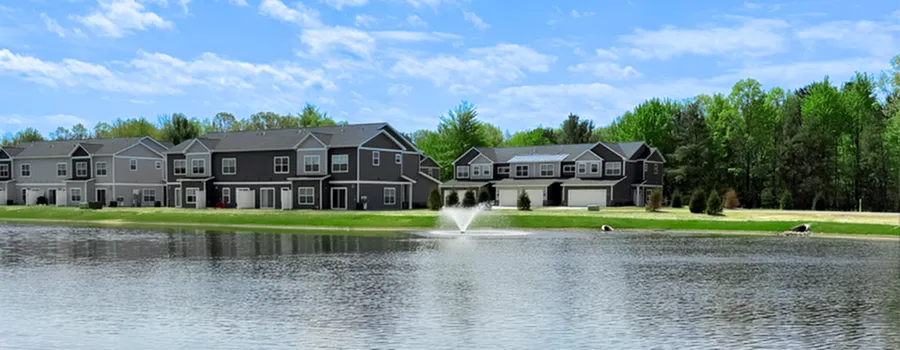
Part of what's making intentional renting so appealing is the quality of rental living itself. The rental market has responded to shifting demand with communities that offer thoughtfully designed homes, high-end finishes, and resort-style amenities that rival, and often exceed, what most buyers find in the ownership market at comparable price points.
Expect private patios, attached garages, modern kitchens, and in-unit laundry. Expect community spaces that foster connection. Expect professional management that handles maintenance efficiently, so your weekend stays yours.
Renting today, particularly in purpose-built rental communities, means choosing a home that has been designed with your lifestyle in mind, not just your budget.
Who Is Choosing Intentional Renting, and Why?
The intentional renter doesn't fit a single profile. Consider a few:
- The Mobile Professional who wants to live near work without the 30-year commitment of a mortgage in a city they may not stay in permanently.
- The Empty Nester who has sold the family home and wants to downsize with elegance with less square footage, less upkeep, more living.
- The Young Family prioritizing location, school districts, and community amenities over ownership, choosing to invest their capital differently.
- The Retiree who wants the freedom to spend winters elsewhere without the stress of an empty home to maintain.
What these individuals share isn't a financial profile, it's a philosophy. They're optimizing for life quality, not just asset accumulation.
What Makes a Rental Feel Like Home?
One of the most common hesitations about renting is the feeling of impermanence, the sense that a rental can never truly feel like your space. That concern is understandable, but it doesn't have to be your experience.
Intentional renters invest in their spaces. They decorate thoughtfully, build routines that are rooted in their community, and form genuine connections with their neighbors. Home is less about ownership and more about belonging, and belonging is something you cultivate, not something you purchase.
The best rental communities understand this. They create environments that invite residents to settle in, to feel known, to put down roots while keeping their options open.
Redefining What "Settling Down" Looks Like
The phrase "settling down" has long been synonymous with buying a home. But settling down is really about creating a life with intention, one that reflects your values, supports your goals, and leaves room for you to grow.
For a growing number of people, that life is found in a well-designed rental home in a community that feels like it was built for them. Not as a compromise. Not as a waiting room. As a destination.
Here, you'll find more than a place to sleep. You'll find a place to flourish.